

TELEGRAM US @Omegachemist25


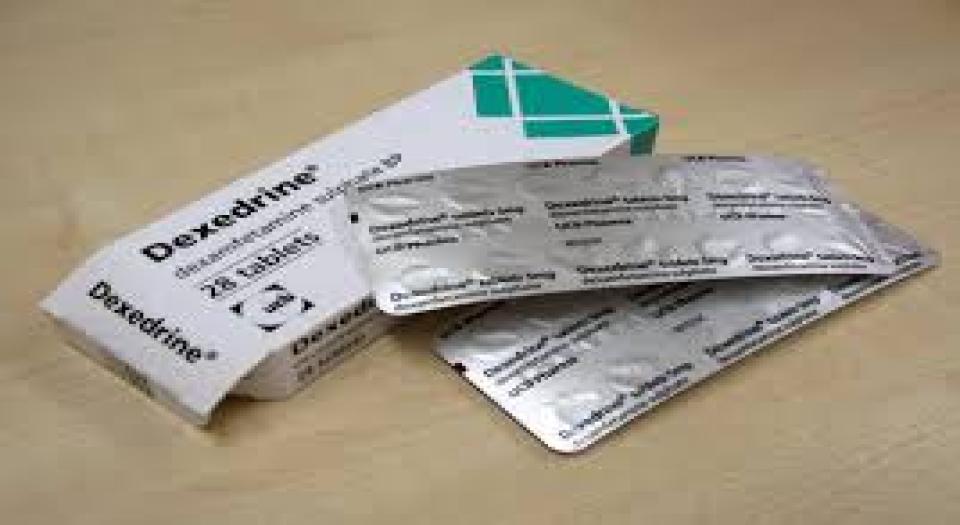
Dexedrine . Where to Buy , Safe Usage and Effects
May 31, 2026Dexedrine for sale online in the US from Omega Chemist is a brand name of Dextroamphetamine, used to treat attention-deficit hyperactivity disorder (ADHD) and narcolepsy (sleep disorder). It belongs to the group of medicines called central nervous system (CNS) stimulants.
Dextroamphetamine works in the treatment of ADHD by increasing attention and decreasing restlessness in children and adults who are overactive, cannot concentrate for very long, or are easily distracted and impulsive. This medicine is used as part of a total treatment program that also includes social, educational, and psychological treatment.
This medicine is available only with a doctor's prescription.
This product is available in the following dosage forms:
- Tablet
- Capsule, Extended Release
- Solution
Before Using
In deciding to use a medicine, the risks of taking the medicine must be weighed against the good it will do. This is a decision you and your doctor will make. For this medicine, the following should be considered:
Allergies
Tell your doctor if you have ever had any unusual or allergic reaction to this medicine or any other medicines. Also tell your health care professional if you have any other types of allergies, such as to foods, dyes, preservatives, or animals. For non-prescription products, read the label or package ingredients carefully.
Pediatric
Appropriate studies have not been performed on the relationship of age to the effects of dextroamphetamine tablets to treat attention-deficit hyperactivity disorder in children younger than 3 years of age. Safety and efficacy have not been established.
Dextroamphetamine extended-release capsule is not recommended to treat attention-deficit hyperactivity disorder in children younger than 6 years of age.
Appropriate studies have not been performed on the relationship of age to the effects of dextroamphetamine sustained-release capsule in children younger than 6 years of age. However, children are more likely to have unwanted effects (eg, weight loss, slow growth). Use in children younger than 6 years of age is not recommended.
Procentra® and Zenzedi® are not recommended to treat attention-deficit hyperactivity disorder in children younger than 3 years of age.
Geriatric
No information is available on the relationship of age to the effects of dextroamphetamine in geriatric patients.
Breastfeeding
Studies in women breastfeeding have demonstrated harmful infant effects. An alternative to this medication should be prescribed or you should stop breastfeeding while using this medicine.
Drug Interactions
Although certain medicines should not be used together at all, in other cases two different medicines may be used together even if an interaction might occur. In these cases, your doctor may want to change the dose, or other precautions may be necessary. When you are taking this medicine, it is especially important that your healthcare professional know if you are taking any of the medicines listed below. The following interactions have been selected on the basis of their potential significance and are not necessarily all-inclusive.
Using this medicine with any of the following medicines is not recommended. Your doctor may decide not to treat you with this medication or change some of the other medicines you take.
- Isocarboxazid
- Linezolid
- Methylene Blue
- Ozanimod
- Phenelzine
- Pimozide
- Procarbazine
- Rasagiline
- Safinamide
- Selegiline
- Tranylcypromine
Using this medicine with any of the following medicines is usually not recommended, but may be required in some cases. If both medicines are prescribed together, your doctor may change the dose or how often you use one or both of the medicines.
- Abiraterone Acetate
- Abiraterone Acetate, Micronized
- Acetazolamide
- Adagrasib
- Albuterol Sulfate
- Alfentanil
- Almotriptan
- Alogliptin
- Aluminum
- Amifampridine
- Amineptine
- Amiodarone
- Amitriptyline
- Amitriptylinoxide
- Amoxapine
- Amphetamine
- Anileridine
- Apraclonidine Hydrochloride
- Arformoterol Tartrate
- Armodafinil
- Artesunate
- Asenapine
- Atomoxetine Hydrochloride
- Benzhydrocodone
- Benzphetamine
- Benzthiazide
- Berotralstat
- Brimonidine Tartrate
- Brompheniramine
- Buprenorphine
- Bupropion
- Buspirone
- Butorphanol
- Calcium Carbonate
- Capivasertib
- Carbamazepine
- Celecoxib
- Chlorothiazide
- Chlorpheniramine
- Chlorpromazine
Certain medicines should not be used at or around the time of eating food or eating certain types of food since interactions may occur. Using alcohol or tobacco with certain medicines may also cause interactions to occur. The following interactions have been selected on the basis of their potential significance and are not necessarily all-inclusive.
Using this medicine with any of the following is usually not recommended, but may be unavoidable in some cases. If used together, your doctor may change the dose or how often you use this medicine, or give you special instructions about the use of food, alcohol, or tobacco.
- Ethanol
Other Medical Problems
The presence of other medical problems may affect the use of this medicine. Make sure you tell your doctor if you have any other medical problems, especially:
- Agitation, severe or
- Anxiety, severe or
- Arteriosclerosis (hardening of the arteries), severe or
- Drug use disorder, history of or
- Glaucoma or
- Heart attack, recent or
- Heart failure or
- Heart or blood vessel disease (eg, cardiomyopathy, coronary artery disease) or
- Heart rhythm problems (eg, arrhythmia, ventricular arrhythmia), or family history of or
- Hypertension (high blood pressure), moderate to severe or
- Hyperthyroidism (overactive thyroid) or
- Stroke, history of or
- Tension, severe—Should not be used in patients with these conditions.
- Bipolar disorder (manic-depressive illness), or a family history of or
- Blood vessel problems (eg, Raynaud disease) or
- Depression, or a family history of or
- Hypertension (high blood pressure), mild or
- Psychosis (mental illness), history of or
- Seizures, history of or
- Thyroid problems or
- Tourette's syndrome, or family history of—Use with caution. May make these conditions worse.