

TELEGRAM US @Omegachemist25


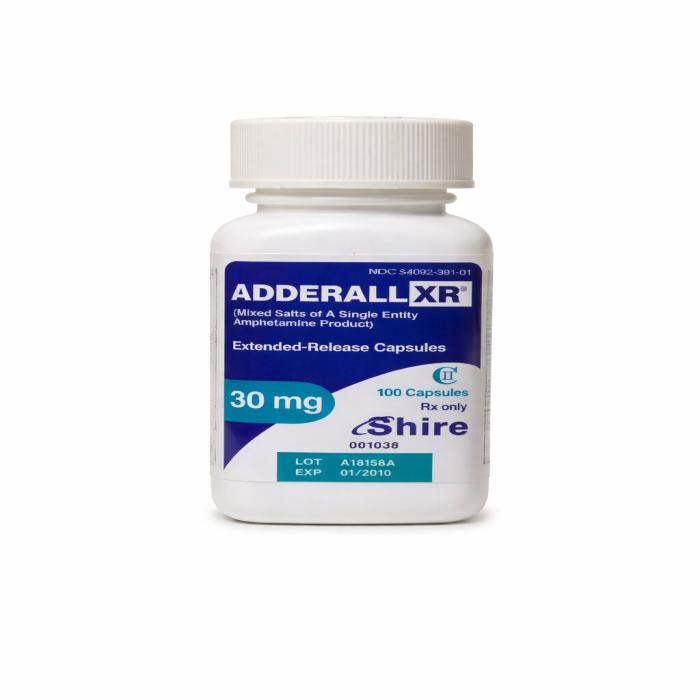
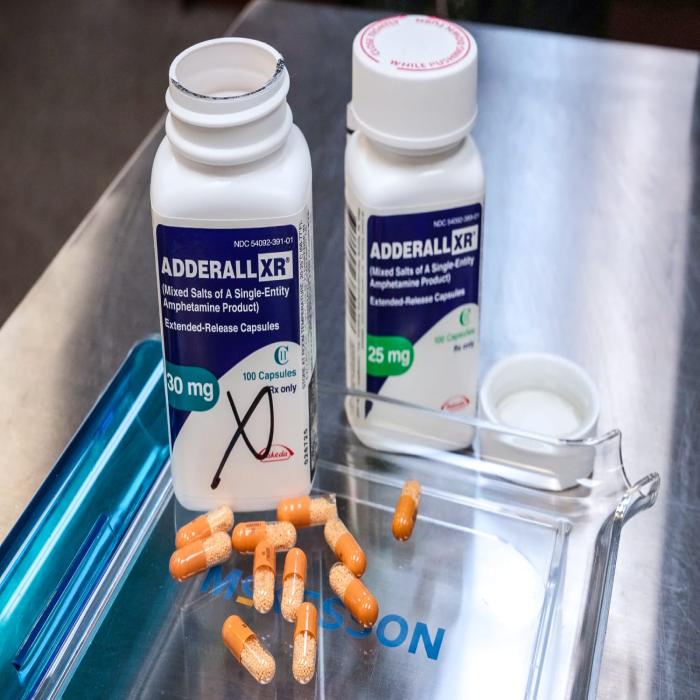
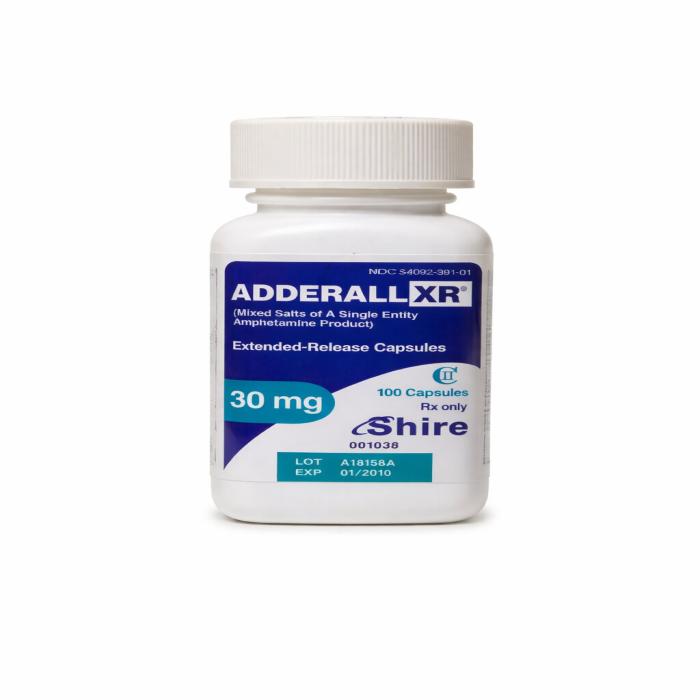
No specification found
Read Before You Buy Adderall Online Overnight
Delivery
Buy Adderall Online
Without Prescription
Are you looking
to Buy Adderall Online? Omega Chemist the perfect place for you to purchase your
prescription medication. With Omega Chemist , you can find the highest quality
Adderall at affordable prices. So don’t wait any longer and Buy
Adderall Online today!
Adderall is a central nervous system stimulant containing a mixture of amphetamine salts, used to treat ADHD and narcolepsy. It is available in immediate-release (IR) or extended-release (XR) formulations and is a Schedule II controlled substance with a potential for abuse and dependency.
What Is Adderall and
can it be purchased online from Omega Chemist?
Adderall is a prescription medication used
primarily to treat attention deficit hyperactivity disorder (ADHD) and
narcolepsy. It is a central nervous system stimulant that contains a
combination of two drugs: amphetamine and dextroamphetamine. Adderall works by
affecting certain chemicals in the brain that play a role in impulse control
and hyperactivity.
As a prescription medication, Adderall should
only be used under the supervision and guidance of a qualified healthcare
professional. It is essential for the prescribing doctor to assess the
individual’s medical history, symptoms, and overall health before prescribing
this medication. The dosage and usage should be closely monitored to avoid
misuse, dependency, or adverse effects.
As of my last update in September 2021,
purchasing Adderall without a valid prescription is illegal and considered a
controlled substance in many countries. Buying prescription medications from
unlicensed sources or online without a prescription can be dangerous, as the
quality and authenticity of the product cannot be guaranteed. Additionally,
self-medication without proper medical guidance can lead to serious health
risks and legal consequences.
If you believe you may benefit from Adderall
or any other prescription medication, it is essential to consult a licensed
healthcare professional who can evaluate your condition and provide appropriate
recommendations and prescriptions. They can also suggest alternative treatments
if Adderall is not suitable for your situation. Always prioritize your health
and safety by following proper medical protocols.
How Does Adderall Work
For Effective Treatment Of ADHD?
Adderall works by
increasing the levels of certain neurotransmitters in the brain, including
dopamine and norepinephrine. These neurotransmitters play important roles in
regulating attention, focus, and motivation, and individuals with ADHD often
have lower levels of these chemicals than those without the condition.
By increasing the
levels of these neurotransmitters, Adderall can help to improve the functioning
of the prefrontal cortex, a region of the brain that is involved in
decision-making, working memory, and attentional control. This can lead to
improved focus, concentration, and attention, as well as better impulse control
and reduced hyperactivity.
Adderall is available
in both immediate-release and extended-release formulations, which can provide
different levels of symptom relief for different individuals. Immediate-release
Adderall is typically taken two to three times per day, while extended-release
Adderall is taken once per day and provides more consistent symptom relief
throughout the day.
While Adderall can be
an effective treatment for ADHD, it is important to note that it is not a cure
for the condition, and it may not be appropriate for everyone. It is important
to work with a healthcare provider to determine whether Adderall is an
appropriate treatment option and to carefully monitor its use to ensure that it
is providing the intended benefits without causing unwanted side effects.
How To Take Adderall
Adderall should only
be taken as directed by a licensed healthcare provider, and the dosing regimen
will depend on several factors, including the individual’s age, weight, and
medical history. Here are some general guidelines for taking Adderall:
1. Take Adderall exactly as prescribed by your
healthcare provider. Do not take more or less of the medication than directed,
and do not take it more often than prescribed.
2. Adderall is typically taken by mouth, with or
without food. If you experience stomach upset when taking Adderall, you may
want to take it with food.
3. The dosing regimen will depend on the type of
Adderall prescribed. Immediate-release Adderall is typically taken two to three
times per day, while extended-release Adderall is taken once per day in the
morning.
4. Do not crush, chew, or break the capsule or
tablet. Swallow it whole with a full glass of water.
5. If you miss a dose of Adderall, take it as
soon as you remember. If it is close to the time for your next dose, skip the
missed dose and resume your regular dosing schedule.
6. Do not suddenly stop taking Adderall without
talking to your healthcare provider. Gradually tapering off the medication can
help to minimize withdrawal symptoms.
7. Store Adderall at room temperature, away from
heat, moisture, and light.
It is important to
follow these instructions closely to ensure that you are taking Adderall safely
and effectively. If you have any questions or concerns about how to take
Adderall, speak to your MD.
What Are The Side
Effects Of Adderall?
Some common side
effects of Adderall include:
1. Difficulty sleeping (insomnia)
2. Headache
3. Dry mouth
4. Loss of appetite
5. Stomach upset
6. Nervousness or anxiety
7. Restlessness
8. Irritability
9. Weight loss
10.
Increased heart rate
or blood pressure
More serious side
effects of Adderall are less common, but can include:
1. Psychosis (losing touch with reality)
2. Hallucinations (seeing or hearing things that
are not there)
3. Seizures
4. Allergic reactions (rash, hives, difficulty
breathing)
5. Unexplained wounds or ulcers on fingers or
toes
6. Cardiovascular events such as stroke, heart
attack, or sudden death, especially in patients with preexisting cardiovascular
disease
Precautions And
Warnings For Taking Adderall
Before taking
Adderall, it is important to discuss your medical history and any current
medications you are taking with your healthcare provider. Here are some
precautions and warnings to keep in mind when taking Adderall:
1. Adderall should not be taken by individuals
who have a history of heart disease, high blood pressure, hyperthyroidism, or
glaucoma.
2. Adderall can interact with other medications,
including certain antidepressants and antipsychotics, and may increase the risk
of serotonin syndrome, a potentially life-threatening condition. It is
important to tell your healthcare provider about all medications you are
taking, including over-the-counter drugs and supplements.
3. Adderall is a controlled substance and can be
habit-forming. It should be used only as directed by a healthcare provider and
should not be shared with others.
4. Adderall may cause dizziness, blurred vision,
or impaired judgment, which can affect your ability to drive or operate
machinery. Avoid these activities until you know how Adderall affects you.
5. Adderall may worsen symptoms in individuals
with anxiety, psychosis, bipolar disorder, or a history of substance abuse.
6. Adderall may affect growth in children and
adolescents. Healthcare providers should monitor the height and weight of
pediatric patients who are taking Adderall.
7. Pregnant or breastfeeding women should talk to
their healthcare providers before taking Adderall, as the medication can pass
into breast milk and may harm a developing fetus.
8. Alcohol should be avoided while taking
Adderall, as it can increase the risk of side effects and impair judgment.
It is important to
follow all precautions and warnings when taking Adderall to minimize the risk
of side effects and other complications.
How Does Adderall
Interact With Other Drugs?
Adderall can interact
with other drugs and may increase the risk of side effects or other
complications. Here are some examples of drugs that can interact with Adderall:
1. Antidepressants: Adderall can interact with certain
antidepressants, such as selective serotonin reuptake inhibitors (SSRIs), and
increase the risk of serotonin syndrome, a potentially life-threatening
condition.
2. Antipsychotics: Adderall can interact with antipsychotic
medications and increase the risk of side effects such as hallucinations and
agitation.
3. Blood pressure medications: Adderall can increase blood pressure and
heart rate, and may interact with medications used to treat high blood
pressure, such as beta-blockers.
4. MAO inhibitors: Adderall should not be taken with monoamine
oxidase (MAO) inhibitors, as this can cause a dangerous increase in blood
pressure.
5. Antacids: Antacids can decrease the absorption of Adderall and reduce
its effectiveness.
6. Alcohol: Alcohol should be avoided while
taking Adderall, as it can increase the risk of side effects and impair
judgment.
7. Other stimulants: Taking other stimulants along with Adderall
can increase the risk of side effects such as increased heart rate and blood
pressure.
It is important to
tell your healthcare provider about all medications you are taking, including
over-the-counter drugs and supplements, to avoid potential interactions. Your
healthcare provider may need to adjust your dosage or monitor you more closely
if you are taking other medications along with Adderall.
Some Things To Avoid
When Taking Adderall
When taking Adderall,
there are certain things you should avoid to minimize the risk of side effects
and other complications. Here are some things to avoid when taking Adderall:
1. Avoid taking Adderall with alcohol or other
drugs that can cause drowsiness or impaired judgment, as this can increase the
risk of accidents or injuries.
2. Avoid taking Adderall with other stimulants,
such as caffeine or nicotine, as this can increase the risk of side effects
such as increased heart rate and blood pressure.
3. Avoid taking Adderall with antacids or other
medications that can decrease the absorption of Adderall, as this can reduce
its effectiveness.
4. Avoid taking Adderall if you have a history of
heart disease, high blood pressure, hyperthyroidism, or glaucoma, as these
conditions can be worsened by the medication.
5. Avoid taking Adderall if you have a history of
anxiety, psychosis, bipolar disorder, or a history of substance abuse, as the
medication can worsen these conditions.
6. Avoid driving or operating heavy machinery
until you know how Adderall affects you, as the medication can cause dizziness,
blurred vision, or impaired judgment.
7. Avoid stopping Adderall suddenly without
talking to your healthcare provider first, as this can cause withdrawal
symptoms such as fatigue, depression, and irritability.
It is important to
follow all instructions from your healthcare provider when taking Adderall and
to avoid anything that could potentially worsen your symptoms or increase the
risk of side effects.
Adderall Dosage
The dosage of Adderall
prescribed by a healthcare provider can vary depending on several factors,
including the patient’s age, weight, and medical history. Here are some general
guidelines for Adderall dosage:
For ADHD:
·
Children
(ages 6-12): The starting dose is usually 5 mg once or twice a day, which can be gradually increased as needed.
·
Adolescents
(ages 13-17): The starting dose is usually 10 mg once or twice a day, which can be gradually increased as needed.
·
Adults:
The starting dose is usually 10 mg once or twice a day, which can be gradually increased as needed.
For narcolepsy:
·
The
usual starting dose is 10 mg once a day, which can be gradually increased as needed.
What Happens If I Miss
A Dose Of Adderall?
If you miss a dose of
Adderall, take it as soon as you remember. However, if it is close to the time
for your next dose, skip the missed dose and continue with your regular dosing
schedule. Do not take a double dose of Adderall to make up for a missed dose.
It is important to
take Adderall as prescribed by your healthcare provider to ensure the
medication is effective in treating your condition. If you miss a dose, the
medication may not be at its optimal level in your system, which may affect
your symptoms.
If you frequently
forget to take your Adderall doses, consider setting reminders or alarms to
help you remember. You can also speak with your healthcare provider about
modifying your dosage or switching to a different medication that may be easier
for you to remember to take.
What Happens If I Overdose
Adderall?
Overdosing on Adderall
can be dangerous and can cause serious side effects or even death. If you or
someone you know has overdosed on Adderall, seek emergency medical attention
immediately.
Symptoms of an
Adderall overdose may include:
·
Restlessness or
agitation
·
Rapid breathing or
difficulty breathing
·
Abdominal pain or
nausea
·
Irregular heartbeat or
rapid heart rate
·
High blood pressure
·
Fever or sweating
·
Confusion or
hallucinations
·
Seizures
If left untreated, an
Adderall overdose can cause seizures, coma, and even death.
If you suspect an
overdose on Adderall, call emergency services immediately.
Forms And Strengths Of
Adderall
Adderall is available
in several forms and strengths, including:
1. Adderall Immediate-Release (IR) Tablets:
·
5
mg
·
7.5
mg
·
10
mg
·
12.5
mg
·
15
mg
·
20
mg
·
30
mg
2. Adderall Extended-Release (XR) Capsules:
·
5
mg
·
10
mg
·
15
mg
·
20
mg
·
25
mg
·
30
mg
3. Mydayis Extended-Release (ER) Capsules:
·
12.5
mg
·
25
mg
·
37.5
mg
·
50
mg
·
62.5
mg
·
75
mg
·
87.5
mg
Adderall IR tablets
are designed to be taken 2-3 times per day, while Adderall XR and Mydayis
capsules are designed to be taken once daily. Adderall XR and Mydayis capsules
are formulated to release the medication gradually over a period of several
hours, providing longer-lasting symptom relief.
What Are The
Ingredients Of Adderall?
Adderall is a
combination medication that contains two active ingredients: amphetamine and dextroamphetamine.
These are both central nervous system (CNS) stimulants that affect the levels
of certain neurotransmitters in the brain.
In addition to the
active ingredients, Adderall tablets, and capsules contain other inactive
ingredients that help to bind the medication together and control its release,
including:
·
Lactitol
·
Microcrystalline
cellulose
·
Magnesium stearate
·
Colloidal silicon
dioxide
·
D&C Yellow No. 10
(5-mg and 10-mg tablets only)
·
FD&C Blue No. 1
(10-mg, 15-mg, 20-mg, and 30-mg tablets only)
·
FD&C Yellow No. 6
(15-mg and 30-mg tablets only)
The exact composition
of inactive ingredients may vary depending on the manufacturer and the specific
form and strength of Adderall.
Withdrawal Symptoms Of
Adderall
Withdrawal symptoms
can occur when someone stops taking Adderall after using it for a prolonged
period. These symptoms can range in severity and may include:
·
Fatigue and exhaustion
·
Irritability and mood
swings
·
Depression
·
Anxiety or panic
attacks
·
Insomnia or sleep
disturbances
·
Headaches
·
Nausea and vomiting
·
Increased appetite and
weight gain
·
Muscle weakness and
joint pain
·
Suicidal thoughts
The severity and
duration of withdrawal symptoms can vary depending on the individual and the
dosage and duration of Adderall use. Withdrawal symptoms can be managed with
the help of a healthcare provider who can create a tapering schedule to
gradually reduce the dosage of the medication and minimize the risk of severe
withdrawal symptoms.
Tolerance And
Dependence On Adderall
Tolerance and
dependence are possible with long-term use of Adderall, especially if it is not
used as directed by a healthcare provider.
Tolerance occurs when
the body becomes accustomed to the effects of medication and requires a higher
dose to achieve the same effect. Over time, the individual may need to increase
the dosage of Adderall to achieve the desired therapeutic effect, which can
increase the risk of side effects and other adverse reactions.
Dependence occurs when
the body becomes reliant on a medication to function normally, and withdrawal
symptoms occur when the medication is discontinued. Dependence can develop with
long-term use of Adderall, especially if the medication is taken in higher
doses or for a longer period than prescribed.
It is important to use
Adderall as directed by a healthcare provider to minimize the risk of tolerance
and dependence. If you experience any side effects or concerns related to
Adderall use, speak with your healthcare provider as soon as possible. They may
adjust the dosage or recommend alternative treatments to manage your symptoms.
How Long Does Adderall
Stay In The Body?
The duration that
Adderall stays in the body can vary depending on several factors, such as the
dosage, frequency of use, individual metabolism, and the form of the
medication. In general, Adderall has a half-life of approximately 10 hours,
which means that half of the dose is eliminated from the body within that time
frame.
However, Adderall can
remain detectable in urine for up to 3 days after the last use, and in blood
for up to 46 hours. Hair tests may detect Adderall use for up to 90 days,
depending on the length of the hair sample.
How To Safely Store
Adderall
Adderall should be
stored safely to prevent unauthorized use, and to maintain the potency and
effectiveness of the medication. Here are some tips for the safe storage of
Adderall:
1. Store Adderall in a secure and locked cabinet,
out of reach of children, pets, and other unauthorized persons.
2. Keep Adderall in a cool, dry place, away from
direct sunlight, heat, and moisture.
3. Do not store Adderall in a bathroom or any
other location that is prone to moisture and humidity.
4. Do not share Adderall with others, as it is a
controlled substance that can be dangerous if used improperly.
5. Keep track of the expiration date of Adderall
and dispose of any expired or unused medication safely.
6. Follow the disposal instructions provided by
your healthcare provider or pharmacy to dispose of Adderall safely.
By following these
tips, you can help ensure the safe and effective use of Adderall and minimize
the risk of the unauthorized use, accidental ingestion, or other adverse
effects.
Can Adderall Be Used
For Animals?
Adderall is not
approved for use in animals by the FDA (Food and Drug Administration). However,
in some cases, veterinarians may prescribe Adderall as an off-label treatment
for certain conditions in animals, such as attention deficit/hyperactivity
disorder (ADHD) or narcolepsy.
It is important to
note that the use of Adderall in animals should only be done under the guidance
and supervision of a licensed veterinarian. The dosage and administration of
Adderall for animals may differ from that used in humans, and inappropriate use
or dosage may lead to serious adverse effects.
Additionally, owners
should never give their pets human medication without first consulting with a
veterinarian, as many medications can be harmful or even fatal to animals.
Veterinarians can provide alternative treatments or medications that are
specifically designed for the needs and health of animals.
Is Adderall Legal?
Yes, Adderall is a
legal medication that is available only by prescription in the United States
and many other countries. It is classified as a Schedule II controlled
substance by the Drug Enforcement Administration (DEA) due to its potential for
abuse and dependence.
To obtain Adderall
legally, a person must have a valid prescription from a licensed healthcare
provider, such as a doctor, nurse practitioner, or physician assistant. The
prescription must be filled at a licensed pharmacy, and the medication must be
used only as directed by the healthcare provider.
It is illegal to
obtain or use Adderall without a prescription or to share Adderall with others,
as this is considered drug diversion and can result in criminal charges.
Additionally, using Adderall in ways other than directed or obtaining it from
illegal sources can lead to serious health risks and addiction.
What Should I Do If My
Adderall Is Expired?
If your Adderall is
expired, it is recommended that you do not use it. Over time, medications can
lose their potency and effectiveness and expired medications may not work as
intended or may even be harmful.
It is important to
properly dispose of expired medications to prevent them from being used
inappropriately or causing harm. Here are some tips for the safe disposal of
expired Adderall:
1. Do not flush expired Adderall down the toilet
or drain, as this can contaminate the water supply.
2. Do not throw expired Adderall in the trash, as
this can also pose a risk of contamination.
3. Contact your local pharmacy or healthcare
provider to find out about medication disposal programs in your area. Many
pharmacies offer safe disposal services for expired or unused medications.
4. If no medication disposal programs are
available in your area, you can dispose of expired Adderall by mixing it with
an undesirable substance, such as dirt, kitty litter, or coffee grounds, and
placing it in a sealable bag or container before throwing it in the trash.
By properly disposing
of expired Adderall, you can help prevent the risk of accidental ingestion or
misuse and protect the environment.
How Can I Obtain
Adderall?
Adderall is a
prescription medication, which means you must have a valid prescription from a
licensed healthcare provider to obtain it legally. To obtain a prescription for
Adderall, you will need to see a healthcare provider, such as a doctor, nurse
practitioner, or physician assistant, who is licensed to prescribe medication.
To obtain a
prescription for Adderall, you will need to provide your healthcare provider
with a detailed medical history, including any relevant medical conditions,
medications, or allergies. Your healthcare provider will also need to conduct a
physical examination and may order laboratory tests or other diagnostic tests
to determine whether Adderall is an appropriate treatment for you.
If your healthcare
provider determines that Adderall is an appropriate treatment for your
condition, they will write a prescription for you. You can then take the
prescription to a licensed pharmacy to have it filled. It is important to use
Adderall only as directed by your healthcare provider and to follow all
instructions on the label.
Can I Order Adderall
Online Overnight Delivery?
It is not legal to
order Adderall online without a valid prescription from a licensed healthcare
provider. While there are many online pharmacies that offer prescription
medications, it is important to be cautious when ordering medications online,
as many websites are not legitimate and may sell counterfeit or expired
medications.
Additionally, ordering
prescription medications online without a valid prescription is considered
illegal and can result in serious legal consequences. It is also unsafe to use
medications obtained from unlicensed sources, as these medications may be
contaminated, expired, or otherwise harmful.
To obtain Adderall
legally, you must have a valid prescription from a licensed healthcare
provider, and the medication must be obtained from a licensed pharmacy. If you
have concerns about obtaining your medication or need help finding a legitimate
pharmacy, you should speak to your healthcare provider or pharmacist for
guidance.
Is Adderall Better
Than Other ADHD Drugs?
Whether Adderall is
better than other ADHD drugs depends on individual circumstances and needs.
Adderall is a stimulant medication that works by increasing the levels of
dopamine and norepinephrine in the brain, which can improve concentration,
focus, and alertness. Other stimulant medications used to treat ADHD, such
as Ritalin (methylphenidate) and Vyvanse (lisdexamfetamine), also work by
increasing dopamine and norepinephrine levels in the brain.
While all of these
medications can be effective in managing ADHD symptoms, there may be
differences in how they affect each individual. Some people may respond better
to one medication than another, and it may take some trial and error to find
the right medication and dosage.
In addition to
stimulant medications, there are also non-stimulant medications used to treat
ADHD, such as Strattera (atomoxetine) and Intuniv (guanfacine).
These medications work differently than stimulants and may be preferred for
individuals who do not tolerate stimulant medications well or have other health
conditions that make stimulants contraindicated.
Ultimately, the choice
of medication for ADHD treatment should be made in consultation with a
qualified healthcare provider, taking into account the individual’s medical
history, current health status, and other factors. The goal is to find the most
effective and safe treatment plan for each individual, which may involve
Adderall or another medication.
Adderall Addiction And
Abuse
Adderall is a
prescription stimulant medication used to treat attention deficit/hyperactivity
disorder (ADHD) and narcolepsy. While Adderall can be an effective treatment
for these conditions, it is also a highly addictive substance that is often
abused.
Adderall abuse occurs
when individuals use the medication in ways that are not prescribed by a
doctor. This can include taking higher doses than recommended, taking it more
frequently than recommended, or taking it without a prescription. Adderall
abuse can lead to a range of negative consequences, including:
1. Physical side effects: Adderall abuse can
cause a range of physical side effects, including increased heart rate, high
blood pressure, and increased body temperature. It can also cause headaches,
nausea, and stomach pain.
2. Mental health issues: Long-term Adderall abuse
can lead to mental health issues, including anxiety, depression, and paranoia.
3. Addiction: Adderall is highly addictive, and
prolonged abuse can lead to addiction. Addiction can have a range of negative
consequences, including difficulty maintaining relationships and holding down a
job.
4. Legal issues: Using Adderall without a
prescription is illegal, and individuals who abuse the medication can face
legal consequences.
If you or someone you
know is struggling with Adderall abuse or addiction, it is important to seek
professional help. Treatment options for Adderall addiction may include
behavioral therapy, medication-assisted treatment, and support groups.
Signs And Symptoms Of
Adderall Addiction
Adderall addiction is
a serious problem that can have a range of negative consequences on an
individual’s physical and mental health, relationships, and daily life. Some
signs and symptoms of Adderall addiction may include:
1. Taking Adderall in larger doses or more
frequently than prescribed.
2. Using Adderall without a prescription or
obtaining it from illegal sources.
3. Continuously using Adderall even though it is
causing negative consequences, such as physical or mental health problems,
relationship problems, or legal issues.
4. Developing a tolerance to Adderall means that
it takes increasingly larger doses of the medication to achieve the desired
effects.
5. Experiencing withdrawal symptoms when
attempting to stop using Adderall, such as fatigue, depression, irritability,
or sleep disturbances.
6. Spending a significant amount of time
obtaining, using, and recovering from Adderall use.
7. Neglecting important responsibilities, such as
work, school, or personal relationships, due to Adderall use.
8. Engaging in risky behaviors, such as driving
or operating heavy machinery, while under the influence of Adderall.
If you or someone you
know is exhibiting any of these signs or symptoms, it is important to seek
professional help for Adderall addiction. Addiction is a treatable condition,
and with the right support, individuals can recover and regain control of their
lives.
Factors That
Contribute To Adderall Abuse
There are several
factors that can contribute to Adderall abuse, including:
1. Easy accessibility: Adderall is a prescription
medication that can be easily obtained through illegal sources or by
individuals who have a legitimate prescription but misuse the medication.
2. Peer pressure: Some individuals may feel
pressure from peers or social circles to use Adderall to enhance academic or
athletic performance or to stay awake for long periods of time.
3. The desire for improved academic or work
performance: Some individuals may turn to Adderall as a way to improve
concentration, focus, and productivity, especially during times of high stress
such as exams or work deadlines.
4. Mental health conditions: Individuals who have
underlying mental health conditions, such as ADHD or depression, may abuse
Adderall as a way to self-medicate and manage their symptoms.
5. History of substance abuse: Individuals who
have a history of substance abuse may be more likely to abuse Adderall or other
drugs.
6. Genetics: Genetics can play a role in an
individual’s susceptibility to addiction, and some individuals may be more
prone to developing an addiction to Adderall.
7. Environmental factors: Environmental factors,
such as growing up in a home with drug use or having easy access to drugs, can
increase an individual’s risk of developing an addiction to Adderall.
It is important to be
aware of these factors and take steps to prevent Adderall abuse, such as
properly storing medication and seeking professional help for underlying mental
health conditions or substance abuse issues.
Adderall Abuse
Statistics
Here are some
statistics related to Adderall abuse:
1. According to the 2020 National Survey on Drug
Use and Health, an estimated 4.4 million people aged 12 or older misused
prescription stimulants, including Adderall, in the past year.
2. In a 2019 survey conducted by the Substance
Abuse and Mental Health Services Administration (SAMHSA), 7.5% of full-time
college students reported misusing Adderall.
3. A study published in the journal Drug and
Alcohol Dependence found that emergency department visits related to the
nonmedical use of prescription stimulants, including Adderall, increased by
156% from 2006 to 2011.
4. According to 2019 Monitoring the Future
survey, 6.8% of high school seniors reported using Adderall for nonmedical reasons
in the past year.
5. A study published in the Journal of Clinical
Psychiatry found that individuals with a history of nonmedical Adderall use
were more likely to experience depression, anxiety, and substance use
disorders.
These statistics
highlight the prevalence of Adderall abuse and the importance of addressing
this issue through education, prevention, and treatment efforts.
Tips On How To Treat
Adderall Addiction
Adderall addiction can
be a challenging condition to treat, but there are several strategies that can
be effective in helping individuals overcome their addiction. Here are some
tips on how to treat Adderall addiction:
1. Seek professional help: It is important to
seek professional help from a qualified addiction treatment specialist who can
provide support and guidance throughout the recovery process.
2. Consider medication-assisted treatment: Some
individuals may benefit from medication-assisted treatment, which involves
using medications to manage withdrawal symptoms and reduce cravings.
3. Participate in behavioral therapy: Behavioral
therapy, such as cognitive-behavioral therapy (CBT), can help individuals
identify and change negative thought patterns and behaviors associated with
addiction.
4. Join a support group: Support groups, such as
12-step programs like Narcotics Anonymous, can provide a sense of community and
support throughout the recovery process.
5. Address underlying mental health conditions:
If an individual has an underlying mental health condition, such as ADHD or
depression, it is important to address these conditions as part of the
treatment process.
6. Practice self-care: Engaging in activities
that promote physical and emotional well-being, such as exercise, healthy
eating, and mindfulness meditation, can be helpful in managing addiction and
promoting recovery.
7. Build a strong support system: Surrounding
oneself with supportive friends and family members can help provide motivation
and encouragement throughout the recovery process.
Remember, recovery from addiction is a journey, and it may take time and effort to achieve lasting success. With the right treatment and support, however, it is possible to overcome Adderall addiction and regain control of one’s life.