

TELEGRAM US @Omegachemist25


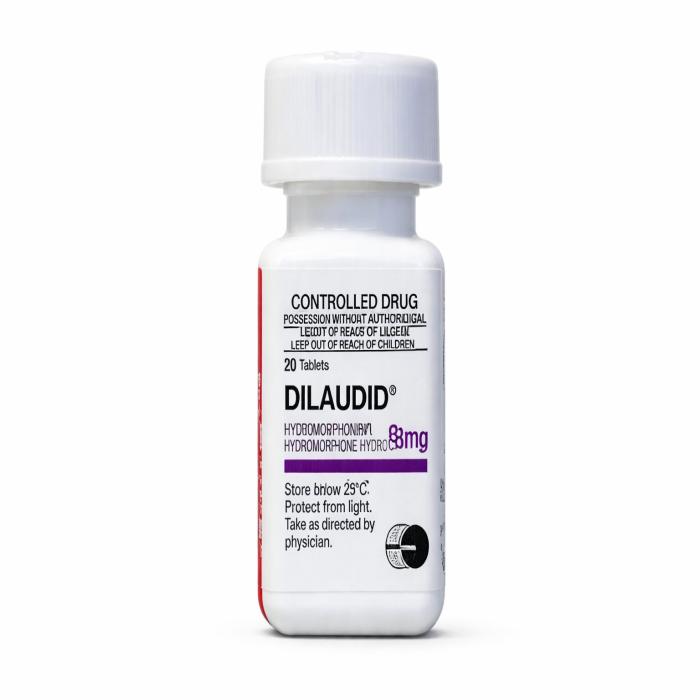
No specification found
Buy Hydromorphone Online
Buy Dilaudid Online
Overnight Shipping
Are you looking
to buy Dilaudid online? Look no further than Omega Chemist! Omega
Chemist is a trusted online pharmacy offering the powerful pain relief medication,
Dilaudid. With Omega Chemist, you can get the medication you need without
having to make a trip to the pharmacy. Buy Dilaudid online from Omega Chemist today!
What Is Dilaudid?
Dilaudid is a brand name for hydromorphone,
a powerful prescription opioid pain medication. It is used to relieve moderate
to severe pain, such as pain from cancer or surgery.
Dilaudid works by
binding to specific receptors in the brain and spinal cord, reducing pain perception.
It is available in several forms, including tablets, capsules, injections, and
suppositories.
However, Dilaudid has
a high potential for abuse and addiction, and it can cause severe respiratory
depression and overdose if taken in excessive amounts or combined with other
drugs or alcohol. It should only be taken as prescribed by a healthcare
professional and under close medical supervision.
How Does Dilaudid
Work?
Dilaudid
(hydromorphone) works by binding to specific receptors in the brain, spinal cord,
and other parts of the body called mu-opioid receptors. These receptors are
involved in the perception of pain, and when they are activated by Dilaudid,
they reduce the intensity of pain signals that are sent to the brain.
Dilaudid can relieve
moderate to severe pain by blocking pain signals. It can also produce a feeling
of euphoria or “high” in some people, which is why it has a high potential for
abuse and addiction.
In addition to pain
relief, Dilaudid can also cause a range of side effects, including sedation,
dizziness, nausea, vomiting, constipation, and respiratory depression. These
effects occur because Dilaudid also affects other parts of the brain and body,
including the respiratory system, gastrointestinal system, and central nervous
system. It’s important to take Dilaudid only as directed by a healthcare
professional and under close medical supervision to minimize the risk of side
effects and overdose.
What Are The Side
Effects Of Taking Dilaudid?
Dilaudid
(hydromorphone) can cause a range of side effects, including:
·
Nausea and vomiting
·
Constipation
·
Dizziness
·
Drowsiness or sedation
·
Headache
·
Sweating
·
Dry mouth
·
Flushing
·
Itching
·
Weakness
·
Difficulty sleeping
·
Respiratory
depression, which can be life-threatening
If you experience any
of the following serious side effects, seek medical attention immediately:
·
Slow or shallow
breathing
·
Severe drowsiness or
difficulty staying awake
·
Fainting or loss of
consciousness
·
Confusion
·
Seizures
·
Severe stomach pain or
constipation
·
Difficulty urinating
·
Mood changes, such as
agitation, hallucinations, or depression
Long-term use of
Dilaudid can also lead to physical dependence and addiction. If you have been
taking Dilaudid for a long time, do not stop taking it suddenly, as this can
lead to withdrawal symptoms. Talk to your healthcare professional about how to
safely taper off the medication if necessary.
How To Take Dilaudid
For Effective Relief Of Pain
Dilaudid
(hydromorphone) should only be taken as directed by a healthcare professional,
as it is a powerful opioid medication that can cause serious side effects if
not used properly. Here are some general guidelines for taking Dilaudid for
effective relief of pain:
1. Take Dilaudid exactly as directed by your
healthcare professional. Do not take more or less than prescribed, and do not
take it more frequently than recommended.
2. Take Dilaudid with food or milk to help reduce
the risk of nausea and vomiting.
3. Do not crush, chew, or break extended-release
tablets or capsules. Swallow them whole with a glass of water.
4. If you miss a dose of Dilaudid, take it as
soon as you remember. However, if it is almost time for your next dose, skip
the missed dose and continue with your regular dosing schedule.
5. Do not drink alcohol or take other sedative
medications while taking Dilaudid, as this can increase the risk of respiratory
depression and other serious side effects.
6. Do not suddenly stop taking Dilaudid without
talking to your healthcare professional, as this can lead to withdrawal
symptoms.
7. Store Dilaudid in a cool, dry place away from
children and pets.
It’s essential to
report any side effects or concerns to your healthcare professional immediately
while taking Dilaudid.
Precautions And
Warnings Of Taking Dilaudid
Dilaudid
(hydromorphone) is a powerful opioid medication that should be taken with
caution and under the close supervision of a healthcare professional. Here are
some precautions and warnings to keep in mind:
·
Dilaudid can cause
respiratory depression, which can be life-threatening. This risk is increased
if you take higher doses of Dilaudid or if you combine it with other
medications that depress the respiratory system, such as benzodiazepines,
alcohol, or other opioids.
·
Dilaudid can cause
physical dependence and addiction, especially if you take it for a long time or
in high doses. If you have a history of substance abuse or addiction, talk to
your healthcare professional before taking Dilaudid.
·
Dilaudid can cause
drowsiness and impair your ability to drive or operate machinery. Avoid these
activities until you know how Dilaudid affects you.
·
Dilaudid can interact
with other medications, including other opioids, benzodiazepines,
antidepressants, and certain antibiotics. Make sure your healthcare
professional is aware of all medications you are taking before starting
Dilaudid.
·
Dilaudid should not be
taken by pregnant or breastfeeding women unless absolutely necessary. It can
cross the placenta and be present in breast milk, harming the fetus or newborn.
·
Dilaudid can cause
constipation, which can be severe. Talk to your healthcare professional about
ways to manage constipation while taking Dilaudid.
·
Dilaudid can cause a
range of side effects, including nausea, vomiting, dizziness, and headache.
Report any side effects to your healthcare professional immediately.
·
Store Dilaudid in a
secure place away from children and pets.
If you have any
questions or concerns about taking Dilaudid, talk to your healthcare
professional. They can provide guidance on how to use this medication safely
and effectively.
How Does Dilaudid
Interact With Other Drugs?
Dilaudid
(hydromorphone) is a potent
opioid pain medication that can interact with other drugs, including
prescription medications, over-the-counter medications, and herbal supplements.
Some of the drugs that can interact with Dilaudid include:
1. Central Nervous System (CNS) Depressants: Dilaudid can enhance the sedative effects of
other CNS depressants such as benzodiazepines,
barbiturates, and alcohol. This interaction can lead to respiratory depression,
coma, or death.
2. Monoamine Oxidase Inhibitors (MAOIs): Dilaudid can cause severe and
life-threatening reactions when used with MAOIs, such as phenelzine,
tranylcypromine, and isocarboxazid. This interaction can cause serotonin
syndrome, a potentially life-threatening condition characterized by high body
temperature, agitation, hallucinations, and seizures.
3. Anticholinergic Drugs: Dilaudid can worsen the side effects of
anticholinergic drugs, including dry mouth, constipation, urinary retention,
and confusion.
4. Other Opioids: The concomitant use of Dilaudid with other
opioids, such as fentanyl or morphine,
can increase the risk of respiratory depression and other adverse effects.
5. Medications that Affect Liver Enzymes: Dilaudid is metabolized in the liver by
enzymes called cytochrome P450. Drugs that affect these enzymes, such as
rifampin or carbamazepine, can decrease the effectiveness of Dilaudid.
It’s essential to
inform your doctor about all the medications you are taking, including
prescription drugs, over-the-counter medications, and herbal supplements,
before starting Dilaudid. Your doctor will evaluate the potential risks and
benefits of Dilaudid and adjust the dose or prescribe alternative medications
if necessary.
What Are Some Of The
Things To Avoid When Taking Dilaudid?
When taking Dilaudid
(hydromorphone), there are some things to avoid to minimize the risk of side
effects or adverse reactions. Here are some of the things to avoid when taking
Dilaudid:
·
Alcohol: Dilaudid is a central nervous system
depressant, and so is alcohol. Combining Dilaudid and alcohol can lead to
increased sedation, dizziness, impaired coordination, and other adverse
effects.
·
Driving
or operating heavy machinery: Dilaudid can cause drowsiness, dizziness, and impaired
coordination. Avoid driving or operating heavy machinery until you know how
Dilaudid affects you.
·
Other
sedatives or tranquilizers:
Combining Dilaudid with other sedatives or tranquilizers, such as
benzodiazepines or barbiturates, can increase the risk of respiratory
depression, coma, or death.
·
Grapefruit
and grapefruit juice: Grapefruit and
grapefruit juice can increase the concentration of Dilaudid in your blood,
leading to a higher risk of side effects.
·
Stopping
Dilaudid suddenly: Suddenly stopping
Dilaudid can lead to withdrawal symptoms, such as nausea, vomiting, sweating,
anxiety, and muscle aches. Your doctor will gradually decrease the dose of
Dilaudid to minimize the risk of withdrawal symptoms.
·
Taking
more than prescribed: Taking more Dilaudid
than prescribed can increase the risk of side effects, including respiratory
depression, coma, or death.
Dilaudid Dosage
The appropriate dosage
of Dilaudid (hydromorphone) depends on various factors, including the severity
of pain, the patient’s medical history, and their response to the medication.
Dilaudid is available in different formulations, including immediate-release
tablets, extended-release tablets, oral solutions, and injectable forms.
For the treatment of
moderate to severe pain, the usual adult dosage of Dilaudid is:
1. Immediate-release tablets: 2-4 mg orally every
4-6 hours as needed.
2. Extended-release tablets: 8-64 mg orally every
24 hours, depending on the
patient’s pain control needs.
3. Oral solution: 2.5-10 mg orally every 3-6
hours as needed.
4. Injectable form: 0.2-1 mg IV or IM every 2-3
hours as needed.
The dosage of Dilaudid
for elderly patients or patients with liver or kidney disease may be lower than
the usual dosage to minimize the risk of adverse effects.
It’s essential to
follow your doctor’s instructions regarding the dosage and frequency of
Dilaudid. Taking Dilaudid in higher doses or more frequently than prescribed
can increase the risk of adverse effects, including respiratory depression,
coma, or death.
What Happens IF I Miss
A Dose Of Dilaudid?
If you miss a dose of
Dilaudid (hydromorphone), take it as soon as you remember. However, if it’s
almost time for your next scheduled dose, skip the missed dose and continue
with your regular dosing schedule. Do not take a double dose to make up for a
missed dose, as this can increase the risk of adverse effects.
It’s important to take
Dilaudid as prescribed by your doctor to ensure effective pain management and
minimize the risk of adverse effects. Missing a dose of Dilaudid may cause
breakthrough pain or worsen the existing pain. If you miss a dose, inform your
doctor, who may adjust your dosing schedule or prescribe alternative pain management
strategies.
It’s also important to
avoid sudden discontinuation of Dilaudid, as this can cause withdrawal
symptoms, such as nausea, vomiting, sweating, anxiety, and muscle aches. If you
need to stop taking Dilaudid, your doctor will gradually decrease your dosage
to minimize the risk of withdrawal symptoms.
What Happens If I
Overdose Dilaudid?
Taking too much
Dilaudid (hydromorphone) can result in an overdose, which can be
life-threatening. An overdose of Dilaudid can lead to respiratory depression,
coma, and even death. Signs of a Dilaudid overdose may include:
·
Slow or shallow
breathing
·
Extreme drowsiness or
difficulty staying awake
·
Cold or clammy skin
·
Pinpoint pupils
·
Muscle weakness
·
Seizures
·
Blue lips or skin
·
Slow heart rate
·
Low blood pressure
If you suspect you or
someone you know has overdosed on Dilaudid, call 911 or emergency medical
services immediately. In case of an overdose, it’s essential to seek immediate
medical attention, as prompt treatment can save a life.
Treatment for a
Dilaudid overdose typically involves supportive care, such as assisted
ventilation, oxygen therapy, and administration of naloxone, which is an opioid
antagonist that can reverse the effects of an opioid overdose.
It’s important to use
Dilaudid only as prescribed by your doctor and to avoid taking more than the
recommended dose.
Forms And Strengths Of
Dilaudid
Dilaudid
(hydromorphone) is a prescription opioid pain medication that is available in
several forms and strengths, including:
1. Immediate-release tablets: Dilaudid
immediate-release tablets are available in strengths of 2 mg, 4 mg, and 8 mg.
2. Extended-release tablets: Dilaudid
extended-release tablets are available in strengths of 8 mg, 16 mg, 32 mg, and
64 mg.
3. Oral solution: Dilaudid oral
solution is available in a concentration of 5 mg/mL
4. Injectable form: Dilaudid
injectable form is available in strengths of 1 mg/mL, 2 mg/mL, and 4 mg/mL
The appropriate
strength and formulation of Dilaudid depend on various factors, including the
severity of pain, the patient’s medical history, and their response to the
medication. It’s important to take Dilaudid only as prescribed by your doctor
and to follow their instructions regarding dosing and frequency.
What Are The
Ingredients Of Dilaudid?
The active ingredient
in Dilaudid is hydromorphone hydrochloride, which is an opioid pain
medication that works by binding to specific receptors in the brain and spinal
cord to block pain signals.
In addition to
hydromorphone hydrochloride, Dilaudid may contain other inactive ingredients,
depending on the formulation. For example, the immediate-release tablets of
Dilaudid may contain lactose monohydrate, microcrystalline cellulose,
pregelatinized starch, sodium starch glycolate, and stearic acid. The
extended-release tablets may contain hypromellose, lactose monohydrate,
magnesium stearate, polyethylene glycol, and titanium dioxide. The oral
solution may contain citric acid, glycerin, methylparaben, propylene glycol,
propylparaben, and water. The injectable form may contain sodium chloride
and/or hydrochloric acid or sodium hydroxide for pH adjustment.
It’s important to read
the medication label and consult your doctor or pharmacist if you have any
questions or concerns about the ingredients of Dilaudid or if you have any
allergies or sensitivities to any of the ingredients.
Withdrawal Symptoms Of
Dilaudid
Dilaudid
(hydromorphone) is an opioid medication that can lead to physical dependence
when used for a prolonged period. If you stop taking Dilaudid suddenly or
decrease the dose too quickly, you may experience withdrawal symptoms.
Withdrawal symptoms can be uncomfortable but are generally not
life-threatening. Some common withdrawal symptoms of Dilaudid may include:
·
Anxiety
·
Restlessness
·
Insomnia
·
Muscle aches
·
Sweating
·
Chills
·
Diarrhea
·
Nausea and vomiting
·
Dilated pupils
·
Abdominal cramps
·
Runny nose and watery
eyes
·
Goosebumps
·
Irritability
Withdrawal symptoms
typically start within a few hours to a day after the last dose of Dilaudid and
can last for several days to weeks, depending on the duration and dose of use.
If you experience withdrawal symptoms, talk to your doctor, who may recommend
gradually tapering the dose of Dilaudid to minimize the severity of withdrawal
symptoms.
It’s important to use
Dilaudid only as prescribed by your doctor and to follow their instructions
regarding dosing and tapering. Do not suddenly stop taking Dilaudid or decrease
the dose without consulting your doctor, as this can increase the risk of
withdrawal symptoms. If you experience severe or persistent withdrawal
symptoms, seek medical attention immediately.
Tolerance And
Dependence On Dilaudid
Dilaudid
(hydromorphone) is an opioid medication that can lead to tolerance and
dependence when used for a prolonged period. Tolerance occurs when your body
becomes accustomed to the effects of the medication and requires higher doses
to achieve the same level of pain relief. Dependence occurs when your body
adapts to the presence of the medication and experiences withdrawal symptoms
when you stop taking it or decrease the dose.
Tolerance and
dependence can develop with both short-term and long-term use of Dilaudid.
Prolonged use of Dilaudid can also lead to addiction, which is a chronic and
relapsing disease characterized by compulsive drug seeking and use despite
harmful consequences.
To minimize the risk
of tolerance, dependence, and addiction, it’s important to use Dilaudid only as
prescribed by your doctor and to follow their instructions regarding dosing and
tapering. Do not increase the dose or frequency of Dilaudid without consulting
your doctor, as this can increase the risk of tolerance and dependence. It’s
also important to use Dilaudid for the shortest duration possible and to
gradually taper the dose under the guidance of your doctor when stopping the
medication.
If you have developed
tolerance or dependence on Dilaudid, talk to your doctor, who may recommend a
gradual reduction in dose or switch to a different medication. It’s important
not to abruptly stop taking Dilaudid or any opioid medication, as this can lead
to withdrawal symptoms. Your doctor can provide guidance on safe and effective
ways to manage tolerance and dependence on Dilaudid.
How Long Does Dilaudid
Stay In The Body?
The duration of action
of Dilaudid (hydromorphone) depends on several factors, including the dose,
route of administration, and individual metabolism.
Dilaudid has a
relatively short half-life of about 2-3 hours, meaning that half of the drug is
eliminated from the body within that time. However, the drug may stay in the
body longer depending on individual metabolism, body mass, and other factors.
In general, the
effects of Dilaudid may last up to 4-6 hours after a single dose when taken
orally or by injection. The extended-release forms of Dilaudid may have a
longer duration of action, with effects lasting up to 24 hours.
Dilaudid and its
metabolites are primarily eliminated from the body through the kidneys, with
about 70-80% of the drug excreted in the urine. It can take up to 3-4 days for
Dilaudid and its metabolites to be fully eliminated from the body, although
this can vary depending on individual factors.
How To Safely Store
Dilaudid
To safely store
Dilaudid (hydromorphone), follow these guidelines:
1. Keep Dilaudid in a secure, locked location
that is out of reach of children and pets. It is a potent medication that can
be dangerous if taken by someone who has not been prescribed the drug.
2. Store Dilaudid at room temperature, away from
light and moisture. Do not expose the medication to extreme heat or cold, such
as leaving it in a car during hot or cold weather.
3. Keep Dilaudid in its original container with
the label intact to ensure that you are taking the correct medication and dose.
4. Do not share Dilaudid with others, even if
they have similar symptoms or conditions. Sharing medication is illegal and can
lead to serious health consequences.
5. Properly dispose of any unused or expired
Dilaudid by following local guidelines for the disposal of controlled
substances. Do not flush Dilaudid down the toilet or dispose of it in the
trash, as this can be harmful to the environment and can potentially be misused
by others.
By following these
guidelines, you can help ensure that Dilaudid is safely stored and not misused
or accidentally taken by someone who has not prescribed the medication.
Is Dilaudid Better
Than Other Pain Relief Drugs?
Dilaudid
(hydromorphone) is a potent opioid medication that is used to treat moderate to
severe pain. It is a highly effective pain relief medication when used
appropriately, but it is not necessarily “better” than other pain relief drugs.
The choice of pain relief medication depends on the type and severity of the
pain, as well as other factors such as medical history and personal preference.
Dilaudid is considered
to be more potent than other opioid pain relief medications, such as morphine or oxycodone,
and may be preferred in certain situations where more potent pain relief is
needed. However, because of its potency and potential for misuse and addiction,
Dilaudid is typically reserved for patients who have not responded well to
other pain relief medications or who require more potent pain relief.
There are many other
pain relief medications that may be appropriate for certain types of pain or
for patients with specific medical conditions. For example, nonsteroidal
anti-inflammatory drugs (NSAIDs) such as
ibuprofen or naproxen may be appropriate for mild to moderate pain and
inflammation, while acetaminophen may be used for mild to moderate pain or in
combination with other pain relief medications.
Ultimately, the choice
of pain relief medication should be made in consultation with a healthcare
provider, who can assess the patient’s individual needs and prescribe the most
appropriate medication and dose.
Dilaudid Vs Oxycodone
Dilaudid
(hydromorphone) and oxycodone are
both opioid medications used to treat moderate to severe pain. Both medications
are effective at relieving pain, but they have some differences that may affect
their use in certain situations.
One of the main
differences between Dilaudid and oxycodone is their potency. Dilaudid is
considered to be more potent than oxycodone, meaning that a smaller dose of
Dilaudid may be needed to achieve the same level of pain relief as a larger
dose of oxycodone. This increased potency may make Dilaudid more effective for
certain types of pain or for patients who have not responded well to other pain
relief medications.
Another difference
between Dilaudid and oxycodone is their duration of action. Dilaudid has a
relatively short half-life of about 2-3 hours, while oxycodone has a longer
half-life of about 4-6 hours. This means that the effects of oxycodone may last
longer than those of Dilaudid, which may be beneficial for patients who require
longer-lasting pain relief.
Both Dilaudid and
oxycodone have the potential for misuse, dependence, and addiction, and both
medications carry similar risks and side effects. It’s important to follow your
doctor’s instructions for dosing and use of these medications and to not exceed
the recommended dose or frequency of use.
Dilaudid Vs Tramadol
Dilaudid and Tramadol are
two different types of pain medications with different mechanisms of action,
potency, and side effects. Here are some key differences between the two:
·
Mechanism
of action: Dilaudid is a potent
opioid pain medication that works by binding to opioid receptors in the brain
and spinal cord, blocking the transmission of pain signals. Tramadol, on the
other hand, is a synthetic opioid-like medication that works by binding to mu-opioid
receptors and also inhibiting the reuptake of serotonin and norepinephrine,
which can help to enhance pain relief.
·
Potency: Dilaudid is a much more potent pain
medication than tramadol. In fact, Dilaudid is approximately 5 to 7 times
stronger than morphine, while tramadol is considered a weak to moderate opioid
medication.
·
Side
effects: Both medications can
cause a range of side effects, but Dilaudid is generally associated with more
severe and potentially dangerous side effects, such as respiratory depression,
sedation, and addiction. Tramadol is also associated with some side effects,
such as nausea, constipation, dizziness, and drowsiness, but it is generally
considered to be safer than Dilaudid.
·
Uses: Dilaudid is typically used for severe pain,
such as post-surgical pain or pain related to cancer, while tramadol is often
used for moderate to moderately severe pain, such as chronic back pain or
osteoarthritis.
In summary, Dilaudid
is a potent opioid pain medication that is generally reserved for severe pain,
while tramadol is a weaker opioid-like medication that is often used for
moderate pain. Both medications can cause side effects, but Dilaudid is
associated with more severe and potentially dangerous side effects. It’s
important to discuss the risks and benefits of each medication with your
healthcare provider to determine which medication may be appropriate for your
pain management.
Dilaudid Addiction And
Abuse
Dilaudid (generic name
hydromorphone) is a powerful opioid painkiller that is used to treat severe
pain. However, due to its highly addictive nature, it is a drug that is
frequently abused and can lead to addiction.
Addiction to Dilaudid
can occur even when the drug is taken as prescribed, but it is more likely to
occur when the drug is used recreationally or in larger amounts than
prescribed. When someone becomes addicted to Dilaudid, they may experience
intense cravings for the drug and feel unable to function without it.
Signs of Dilaudid
addiction and abuse can include:
1. Increased tolerance: The individual may
require higher doses of the drug to achieve the same effects.
2. Withdrawal symptoms: When the individual stops
using Dilaudid, they may experience withdrawal symptoms such as nausea,
vomiting, muscle aches, and anxiety.
3. Social withdrawal: The individual may become
increasingly isolated and avoid social situations.
4. Doctor shopping: The individual may visit
multiple doctors to obtain prescriptions for Dilaudid.
5. Risky behaviors: The individual may engage in
risky behaviors to obtain the drug, such as stealing or selling possessions.
If you or someone you
know is struggling with Dilaudid addiction and abuse, it is important to seek
professional help. Treatment options may include behavioral therapy,
medication-assisted treatment, or a combination of both. It is also important
to have a support system of family and friends to help during the recovery
process.