

TELEGRAM US @Omegachemist25


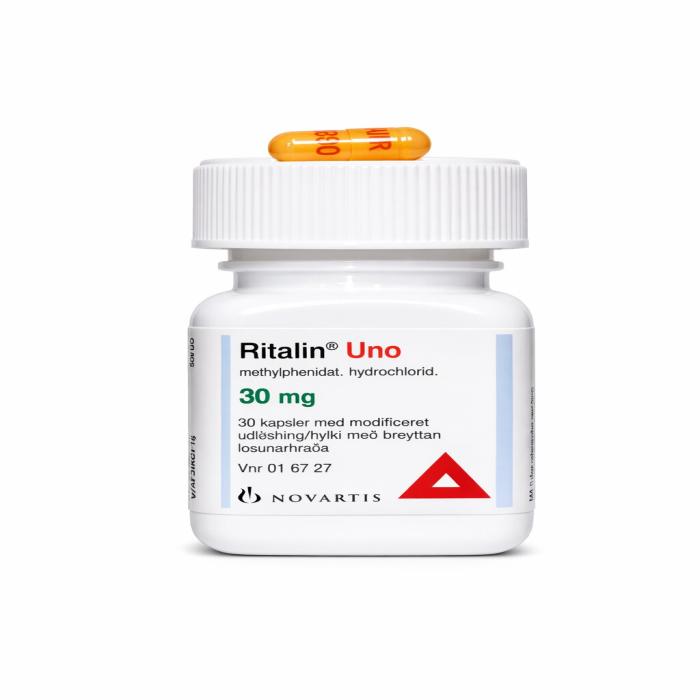
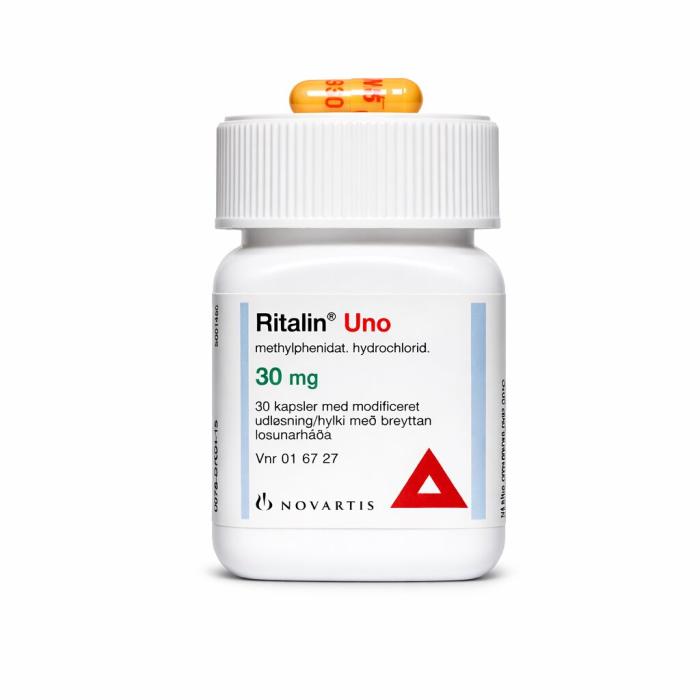
- Active Ingredient Methylphenidate hydrochloride.
- Ritalin Tablets (IR) 5 mg (yellow), 10 mg (pale green, scored), 20 mg (pale yellow, scored).
- Ritalin LA (Long-Acting) 10 mg, 20 mg, 30 mg, 40 mg, 60 mg capsules.
- Mechanism of Action CNS stimulant; inhibitor of dopamine and norepinephrine reuptake into presynaptic neurons.
- Duration of Action Immediate-release lasts 3-4 hours; LA capsules (50% immediate, 50% delayed) last 8-12 hours.
- Storage Store at room temperature (59°F to 86°F or 15°C to 30°C).
Buy Ritalin Online From Omega Chemist
Buy Ritalin Online from Omega Chemist, US number one online pharmacy for the sales of adhd medications . Are you looking to order
Ritalin online? If so, then look no further than Omega
Chemist. With Omega Chemist’s secure online store, you can safely
buy Ritalin from the comfort of your own home. At Omega Chemist, we provide
quality medication and reliable customer service to ensure you get the best
experience possible.
At Omega Chemist, you can buy brand name methylphenidate such as
Ritalin, Ritalin LA, Metadate, Ritalin SR, Concerta, sourced from popular renowned
pharmaceuticals such as Purdue Pharma, Mallinckrodt Pharmaceuticals, Novartis
Pharmaceuticals, Teva Pharmaceuticals, Shire Pharmaceutical and
more.
What Is Ritalin?
Ritalin is a brand name for the medication methylphenidate
hydrochloride, a central nervous system stimulant. It is commonly used to treat
Attention Deficit Hyperactivity Disorder (ADHD) and narcolepsy. Ritalin helps
improve attention, focus, and impulse control in people with ADHD and reduces
excessive daytime sleepiness in those with narcolepsy.
How Does Ritalin Work For
Effective Treatment Of ADHD and Narcolepsy?
Ritalin (methylphenidate hydrochloride) works by stimulating the
central nervous system and increasing the activity of certain neurotransmitters
in the brain, which helps improve focus, attention, and impulse control.
Ritalin primarily works by blocking the reuptake of two key neurotransmitters,
dopamine and norepinephrine, in the brain. It acts on nerve terminals to
prevent the reabsorption (reuptake) of these neurotransmitters, which results
in increased levels of dopamine and norepinephrine in the brain. Dopamine is
associated with the brain’s reward, motivation, and focus pathways, while norepinephrine
is involved in attention and alertness. By increasing the levels of these
neurotransmitters, Ritalin helps improve attention, focus, and impulse control.
In individuals with Attention Deficit Hyperactivity Disorder
(ADHD), the levels of dopamine and norepinephrine in certain areas of the
brain, particularly those involved in attention and behavior regulation, may be
lower than normal. By increasing the availability of these neurotransmitters,
Ritalin helps restore balance and improve the brain’s ability to regulate
attention, control impulses, and reduce hyperactive behavior. This effect helps
individuals focus better, complete tasks more efficiently, and maintain better
attention throughout the day.
The effects of immediate-release Ritalin typically begin within
20 to 60 minutes after taking the medication, and they last for about 3 to 4
hours. The extended-release formulations provide a more gradual release of the
medication over time, offering sustained symptom relief throughout the day.
Ritalin LA uses a biphasic delivery system, with one portion released
immediately and the other gradually released, lasting up to 8 hours.
Although Ritalin is classified as a stimulant, it has a calming
effect in individuals with ADHD. This is because, in people with ADHD, the
increased neurotransmitter levels help regulate hyperactivity and improve
concentration, rather than causing overstimulation.
Summarily, Ritalin works by increasing the levels of dopamine
and norepinephrine in the brain, which helps improve focus, attention, and
impulse control. It does this by blocking the reuptake of these
neurotransmitters, allowing them to remain active in the brain for a longer
period. This mechanism helps manage symptoms of ADHD and improves concentration
and alertness. The medication comes in both immediate-release and
extended-release forms, providing flexibility for different treatment needs.
What Are The Side Effects
Of Ritalin Purchased From Omega Chemist?
Ritalin (methylphenidate hydrochloride) can cause a range of
side effects, varying in severity from mild to more serious. Side effects can
differ depending on the individual, the dosage, and how the body responds to
the medication. Below is a list of common, less common, and serious side
effects of Ritalin:
Common Side Effects
·
Nervousness or Anxiety
·
Trouble Sleeping (Insomnia)
·
Loss of Appetite
·
Headache
·
Nausea or Stomach Pain
·
Dizziness
·
Increased Heart Rate
·
Dry Mouth
·
Sweating
Less Common Side Effects
·
Mood Changes
·
Increased Blood Pressure
·
Tics or Tremors
·
Blurred Vision
Serious Side Effects
·
Cardiovascular Issues
·
Psychiatric Symptoms
·
Growth Suppression
·
Circulation Problems
·
Allergic Reaction
Long-Term Effects and Dependence
·
Dependence
·
Withdrawal Symptoms: Abrupt discontinuation of Ritalin may cause
withdrawal symptoms such as fatigue, depression, and changes in sleep patterns.
Ritalin can cause a range of side effects, including common ones
like insomnia, loss of appetite, and headaches, as well as more serious effects
like cardiovascular problems, psychiatric symptoms, and dependence. If you
experience any severe side effects, contact your healthcare provider promptly.
Proper medical supervision is essential to manage side effects effectively and
ensure the safe use of Ritalin.
How To Take Ritalin For
Effective Treatment Of ADHD and Narcolepsy
Ritalin (methylphenidate hydrochloride) should be taken as
prescribed by a healthcare provider, who will determine the appropriate dosage
and timing based on individual needs. Here are some general guidelines for
taking Ritalin:
·
Follow Your Doctor’s Instructions: Always take Ritalin exactly
as prescribed by your healthcare provider. The dosage may vary depending on the
individual’s condition, age, and response to treatment. Ritalin comes in
immediate-release, sustained-release (SR), and long-acting (LA) formulations.
The form you are prescribed will determine how often you need to take it.
·
Timing and Frequency: Immediate-Release (IR) Tablets are
typically taken 2 to 3 times a day, about 30 to 45 minutes before meals. The
effects usually last around 3 to 4 hours. Sustained-Release (SR) Tablets are
usually taken once or twice a day, as they release the medication more
gradually. Long-Acting (LA) Capsules capsules are taken once daily, typically
in the morning, and provide extended symptom control for up to 8 hours.
·
Avoid Late-Day Dosing: Ritalin is a stimulant, and taking it too
late in the day can lead to insomnia or trouble sleeping. It is generally
recommended to take the last dose before 6 p.m., or earlier if sleep
disturbances occur.
·
Administration Guidelines: Sustained-release and long-acting
tablets or capsules should be swallowed whole. Do not crush, chew, or break
them, as this can interfere with the extended-release mechanism and increase
the risk of side effects. Ritalin can be taken with or without food. However,
taking it on an empty stomach may increase its effectiveness. If stomach upset
occurs, it can be taken with food.
·
Missed Dose: If you miss a dose, take it as soon as you
remember. If it is close to the time for your next dose, skip the missed
dose—do not double up to make up for it. Avoid taking Ritalin too late in the
day to prevent sleep problems.
·
Avoid Alcohol: Do not drink alcohol while taking Ritalin, as
alcohol can enhance certain side effects and interfere with how the medication
works.
·
Tapering Off: If you need to stop taking Ritalin, consult your
healthcare provider first. Abruptly stopping the medication can lead to
withdrawal symptoms such as fatigue, depression, and changes in sleep patterns.
Your doctor may gradually reduce your dosage to minimize withdrawal effects.
·
Monitoring and Adjustments: Regular follow-ups with your
healthcare provider are important for evaluating the effectiveness of the
medication and monitoring for side effects. Dose adjustments may be necessary
based on your response to the medication or if side effects become problematic.
Summarily, Ritalin should be taken exactly as prescribed, with
attention to the timing of doses to minimize side effects like insomnia.
Immediate-release tablets are usually taken multiple times a day, while
extended-release forms are taken once daily in the morning. Avoid late-day
dosing, alcohol consumption, and abrupt discontinuation without medical
supervision. Always follow your doctor’s instructions and report any concerns
or side effects.
Precautions And Warnings Of
Taking Ritalin Purchased From Omega Chemist
Taking Ritalin (methylphenidate hydrochloride) requires careful
adherence to precautions and warnings to ensure safe and effective use. The
medication may not be suitable for everyone, and certain conditions and
interactions must be considered. Here are important precautions and warnings
for taking Ritalin:
1. Preexisting
Medical Conditions: Ritalin can increase heart rate and blood pressure. It may
not be suitable for people with preexisting heart problems, including heart
disease, high blood pressure, irregular heartbeat, or a history of heart
attacks. Ritalin can exacerbate certain mental health conditions. It should be
used with caution in individuals with a history of anxiety, depression, bipolar
disorder, or psychosis, as it may worsen these conditions or cause new
psychiatric symptoms like mood changes, aggression, or hallucinations. Ritalin
may lower the seizure threshold, increasing the risk of seizures in individuals
with a history of epilepsy or seizure disorders. Also, Individuals with
glaucoma should not use Ritalin, as the medication can increase pressure within
the eye.
2. Risk of
Dependence and Misuse: Ritalin is classified as a Schedule II controlled
substance because of its potential for abuse, misuse, and dependence. It should
only be used under medical supervision and not shared with others. People with
a history of substance abuse or addiction should use Ritalin cautiously, as it
can lead to psychological dependence.
3. Pregnancy
and Breastfeeding: The safety of Ritalin during pregnancy is not fully
established. It should only be used if the potential benefits outweigh the
risks. Pregnant women should consult their healthcare provider before using
Ritalin. Ritalin may pass into breast milk and affect the nursing infant. It is
important to discuss risks and benefits with a healthcare provider if
breastfeeding.
4. Interactions
with Other Drugs: Ritalin should not be taken with MAOIs or within 14 days of
stopping MAOIs, as it can lead to a dangerous increase in blood pressure.
Ritalin may interfere with blood pressure or heart medications, either
decreasing their effectiveness or increasing side effects. Also, Some
antidepressants (e.g., SSRIs, tricyclics) may interact with Ritalin,
potentially increasing the risk of side effects or serotonin syndrome.
5. Growth and
Development in Children: Ritalin has been associated with slowed growth in
children and adolescents. Growth should be monitored regularly, and the
healthcare provider may recommend a “drug holiday” (pausing medication during
weekends or holidays) to minimize this effect.
6. Operating
Machinery or Driving: Ritalin can affect alertness and concentration, which may
impair the ability to drive or operate machinery. Avoid these activities until
you know how Ritalin affects you.
7. Alcohol
and Substance Interaction: Alcohol may increase certain side effects of
Ritalin, such as dizziness or drowsiness. It is best to avoid consuming alcohol
while on this medication.
8. Potential
for Serious Side Effects: Ritalin may increase the risk of heart attack,
stroke, and other serious cardiovascular events, especially in those with
preexisting heart conditions. Ritalin may trigger or worsen symptoms such as
aggression, hallucinations, mania, or psychosis, particularly in individuals
with a predisposition to mental health conditions.
9. Allergy or
Hypersensitivity: Individuals with a known allergy or hypersensitivity to
methylphenidate or any of its ingredients should not take Ritalin. Symptoms of
an allergic reaction include rash, itching, swelling, severe dizziness, and
trouble breathing.
10.
Discontinuation and Withdrawal: Stopping Ritalin suddenly can
lead to withdrawal symptoms such as fatigue, depression, and changes in sleep.
To avoid withdrawal, Ritalin should be discontinued gradually under medical
supervision.
Ritalin should be used with caution, especially in individuals
with preexisting health conditions such as heart problems, mental health
issues, or a history of substance abuse. It carries a risk of dependence,
growth suppression in children, and serious side effects such as cardiovascular
issues. Always consult a healthcare provider before starting or stopping
Ritalin, and disclose any other medications or health conditions to avoid
potential drug interactions and side effects. Proper monitoring by a healthcare
provider is essential for safe and effective use of Ritalin.
How Does Ritalin Purchased
From Omega Chemist Interact With Other Drugs?
Ritalin (methylphenidate hydrochloride) can interact with
various other drugs, potentially altering its effectiveness or increasing the
risk of side effects. It’s important to understand these interactions to avoid
complications and ensure safe use. Here are some key drug interactions to be
aware of when taking Ritalin:
·
Monoamine Oxidase Inhibitors (MAOIs): Ritalin should not be used
with MAOIs or within 14 days of discontinuing an MAOI. The combination may lead
to a dangerous increase in blood pressure and hypertensive crisis.
·
Antidepressants: Ritalin may increase the levels of tricyclic
antidepressants in the blood, which can enhance both their effects and side
effects, such as an increased risk of heart issues. The combination of Ritalin
with SSRIs can increase the risk of serotonin syndrome, a potentially serious
condition. Combining SNRIs with Ritalin can lead to increased side effects,
including nervousness, anxiety, and an increased heart rate.
·
Antihypertensive Medications: Ritalin may reduce the
effectiveness of medications used to treat high blood pressure
(antihypertensives), making it harder to control blood pressure.
·
Anticonvulsants: Ritalin can interfere with the levels of
certain antiepileptic drugs in the body, potentially increasing the risk of
seizures or reducing the effectiveness of seizure control.
·
Antipsychotics: Ritalin may reduce the effectiveness of
antipsychotic medications, which are used to treat conditions like
schizophrenia or bipolar disorder.
·
Blood Thinners: Ritalin may affect the metabolism of warfarin, a
blood thinner, which can increase the risk of bleeding. Regular monitoring of
INR (International Normalized Ratio) levels is recommended.
·
Central Nervous System (CNS) Stimulants: Taking Ritalin with
other CNS stimulants can increase the risk of side effects such as increased
heart rate, high blood pressure, anxiety, and restlessness.
·
Acidic and Alkaline Drugs: The excretion of Ritalin is affected
by the pH of urine. Acidifying agents (e.g., ascorbic acid) may increase
Ritalin excretion, while alkalinizing agents (e.g., sodium bicarbonate) may
decrease its excretion, altering the drug’s effectiveness.
·
Alcohol: Alcohol can enhance the side effects of Ritalin,
including drowsiness, dizziness, and impaired judgment. It is best to avoid
alcohol while taking Ritalin.
·
Opioids and Benzodiazepines: Combining Ritalin with opioids or
benzodiazepines can lead to increased sedation, impairing alertness and
increasing the risk of respiratory depression.
·
Proton Pump Inhibitors (PPIs): Proton pump inhibitors, used to
reduce stomach acid, may alter the absorption of extended-release formulations
of Ritalin, affecting its effectiveness.
·
Over-the-Counter Medications and Herbal Supplements: Many
over-the-counter cold and allergy medications contain decongestants (e.g.,
pseudoephedrine) that may increase the risk of high blood pressure and other
stimulant-related side effects. Herbal supplements like St. John’s Wort can
interact with Ritalin, increasing the risk of serotonin syndrome or other side
effects.
Ritalin interacts with a wide range of medications, including
MAOIs, antidepressants, antihypertensives, anticonvulsants, blood thinners, CNS
stimulants, and even over-the-counter medications. These interactions can
increase the risk of side effects, alter the effectiveness of either Ritalin or
the other drugs, or lead to serious complications. It is essential to inform
your healthcare provider about all medications, supplements, and
over-the-counter drugs you are taking to avoid harmful interactions and to
ensure that Ritalin is used safely and effectively.
Ritalin Dosage Guide
The dosage of Ritalin (methylphenidate hydrochloride) varies
depending on factors such as age, the condition being treated, the form of the
medication, and individual patient response. Ritalin comes in both
immediate-release (IR) and extended-release (ER) formulations. Below is a
general guideline for the appropriate use of Ritalin.
Ritalin
Dosage Guide For Attention Deficit Hyperactivity Disorder (ADHD)
Adults (18 years and older)
·
Immediate-Release Tablets: Start with 5 mg taken twice daily,
before breakfast and lunch. The dose may be increased by 5-10 mg each week. The
typical maximum dose is 60 mg per day.
·
Extended-Release Tablets/Capsules: The initial dose is typically
20 mg once daily in the morning. The dose can be adjusted based on patient
response.
Children and Adolescents (6-17 years old)
·
Immediate-Release Tablets: Start with 5 mg taken once or twice
daily, before breakfast and lunch. The dose may be increased by 5-10 mg per week.
The maximum recommended dose is 60 mg per day.
·
Extended-Release Tablets/Capsules: Start with 20 mg once daily
in the morning. The dose can be adjusted weekly, based on the patient’s
response and tolerance.
Ritalin
Dosage Guide For Narcolepsy
Adults
·
Immediate-Release Tablets: The typical starting dose is 10 mg
taken two or three times daily. Doses may be adjusted by 10 mg weekly. The
total daily dose usually ranges from 20 mg to 60 mg per day, taken in divided
doses.
Children (6 years and older)
·
Immediate-Release Tablets: Start with 5 mg taken two or three
times daily. The dose may be increased by 5-10 mg each week, based on response.
The usual dose range is 10-60 mg per day, divided into several doses.
General
Guidelines for Ritalin Dosage
·
Timing: Immediate-Release (IR) Tablets are usually taken 2 to 3
times a day, preferably 30-45 minutes before meals. Extended-Release (ER)
Tablets/Capsules on the other hand is taken once daily in the morning.
·
Avoid Late Doses: Avoid taking doses too late
in the day to prevent insomnia or sleep disturbances. The last dose of
immediate-release formulations should generally be taken before 6 p.m..
·
Dosage Adjustments: The dosage should be adjusted gradually,
based on individual response and tolerance. Regular follow-up with the
healthcare provider is important for monitoring effectiveness and side effects.
·
Missed Dose: If a dose is missed, take it as soon as you
remember. However, if it is close to the time for the next dose, skip the
missed dose and proceed with the regular dosing schedule. Do not double the
dose to make up for the missed one.
·
Maximum Dose: The maximum recommended daily dose of Ritalin
typically does not exceed 60 mg. Doses higher than this should only be used
under direct medical supervision.
Summarily, he dosage of Ritalin depends on the individual, the
condition being treated, and the formulation being used. For ADHD, the initial
dose is typically 5-10 mg for immediate-release formulations, increasing
weekly. For narcolepsy, the starting dose is 10 mg for adults and 5 mg for
children, taken two to three times daily. Always follow your healthcare
provider’s instructions, as they will adjust the dosage based on your needs and
tolerance to the medication. Avoid taking late doses to prevent sleep problems,
and consult your doctor if you have any concerns about your dosage.
Forms And Strengths Of
Ritalin Purchased From Omega Chemist
Ritalin (methylphenidate hydrochloride) is available in several
different forms and strengths to accommodate the needs of individuals and
provide flexible dosing options. Below are the available forms and strengths of
Ritalin:
1. Immediate-Release
Tablets (Ritalin): available in oral tablet form and in strengths of 5 mg, 10
mg, and 20 mg. These tablets are typically taken 2-3 times per day, 30-45
minutes before meals. The immediate-release formulation provides relatively
rapid effects, which typically last 3-4 hours.
2. Extended-Release
Tablets (Ritalin SR): available in oral sustained-release tablet form and in
strength of 20 mg. Ritalin SR (sustained-release) provides a longer effect than
the immediate-release version, usually lasting around 6-8 hours. It is
generally taken once or twice daily, depending on individual needs.
3. Extended-Release
Capsules (Ritalin LA): available in oral extended-release capsule form and in
strengths of 10 mg, 20 mg, 30 mg, 40 mg. Ritalin LA (long-acting) uses a
special release mechanism to provide two phases of drug release—an initial
immediate release followed by a second delayed release. This allows for
once-daily dosing, usually taken in the morning, and offers extended symptom
control lasting up to 8 hours.
Differences
Between Ritalin Formulations
·
Immediate-Release Tablets: Provide quick onset but shorter
duration, typically requiring multiple doses throughout the day.
·
Sustained-Release Tablets (SR): Provide a more prolonged effect
but are not as long-lasting as extended-release capsules. Typically taken once
or twice a day.
·
Extended-Release Capsules (LA): Provide long-lasting symptom
control with once-daily dosing, making them more convenient for those who need
sustained coverage throughout the day.
What Are The Ingredients Of
Ritalin Purchased From Omega Chemist?
The active and inactive ingredients in Ritalin (methylphenidate
hydrochloride) can vary slightly depending on the formulation
(immediate-release, sustained-release, or extended-release). Methylphenidate
Hydrochloride is the primary active ingredient in Ritalin, which acts as a
central nervous system stimulant. The inactive ingredients are used to
formulate the tablets or capsules and help with their stability, absorption,
and manufacturing. The inactive ingredients can vary depending on the type of
Ritalin formulation:
Immediate-Release Tablets (Ritalin)
·
Lactose Monohydrate: Used as a filler.
·
Magnesium Stearate: A lubricant that helps prevent the tablets
from sticking during manufacturing.
·
Talc: An anti-caking agent that helps in tablet formation.
·
Calcium Phosphate: Helps in tablet binding.
·
Starch: Used as a filler and binder.
Sustained-Release Tablets (Ritalin SR)
·
Cellulose Compounds (Ethylcellulose, Hydroxypropyl
Methylcellulose): Used to help control the release rate of the active
ingredient.
·
Magnesium Stearate: Acts as a lubricant.
·
Polyethylene Glycol: Helps maintain tablet integrity.
·
Povidone: A binder that ensures the tablet holds together.
·
Talc: Functions as a glidant.
Extended-Release Capsules (Ritalin LA)
·
Gelatin: Used to make the capsule shell.
·
Sugar Spheres: Act as the core that holds the active ingredient.
·
Ethylcellulose and Hydroxypropyl Methylcellulose: Control the
extended-release mechanism.
·
Titanium Dioxide: A whitening agent in the capsule shell.
·
Colorants (varies based on the strength): Iron oxides and other
colorants are used to distinguish between different strengths of the capsules.
Summarily, the active ingredient in Ritalin is methylphenidate
hydrochloride, while the inactive ingredients include various excipients that
vary based on the formulation (e.g., lactose, magnesium stearate, cellulose
compounds, gelatin). These excipients are essential for the physical stability,
absorption, and extended-release properties of the medication, depending on
whether it’s the immediate-release, sustained-release, or extended-release
version of Ritalin. Always check the packaging and consult with your healthcare
provider if you have any allergies to specific inactive ingredients.
How To Safely Store Ritalin
Purchased From Omega Chemist?
Proper storage of Ritalin (methylphenidate hydrochloride) is
essential to maintain its effectiveness and prevent misuse or accidental
exposure. Here are guidelines on how to safely store Ritalin:
1. Room
Temperature: Store Ritalin at room temperature, typically between 68°F to 77°F
(20°C to 25°C).
2. Avoid Heat
and Humidity: Keep the medication away from sources of heat, moisture, and
direct sunlight. Avoid storing it in places like bathrooms where humidity can
be high.
3. Container:
Keep Ritalin in its original prescription container with the label intact. This
helps ensure that the medication is clearly labeled and easy to identify.
Ensure the container has a childproof cap to prevent accidental ingestion by
children.
4. Keep Out
of Reach: Store Ritalin in a location that is inaccessible to children and
pets. Consider using a locked cabinet if necessary.
5. Avoid
Freezing: Do not store Ritalin in the freezer, as extreme cold can alter the
medication’s effectiveness.
6. Disposal:
If you have expired or unused Ritalin, dispose of it properly. Follow local
regulations for medication disposal or consider using a medication take-back
program. Do not flush Ritalin down the toilet unless instructed to do so.
7. Monitor
Expiration Dates: Regularly check the expiration date on the Ritalin packaging.
Do not use the medication past its expiration date, as it may not be effective
or safe.
8. Avoid
Sharing Medication: Ritalin is prescribed for specific individuals and should
not be shared with others. Misuse of stimulant medications can have serious consequences.
Withdrawal Symptoms Of
Ritalin Purchased From Omega Chemist
Withdrawal symptoms from Ritalin (methylphenidate) can occur in
individuals who have been using the medication regularly, especially at higher
doses. It’s essential to understand that withdrawal symptoms may vary from
person to person and can depend on factors such as the duration of use, dosage,
and individual physiology. Here are some common withdrawal symptoms associated
with Ritalin:
Psychological Withdrawal Symptoms Of Ritalin Purchased From Omega
Chemist
·
Fatigue
·
Depression
·
Anxiety
·
Irritability
·
Difficulty Concentrating
Physical Withdrawal Symptoms Of Ritalin Purchased From Omega
Chemist
·
Increased Appetite
·
Sleep Disturbances
·
Headaches
·
Nausea
·
Muscle Pain
Behavioral Withdrawal Symptoms Of Ritalin Purchased From Omega
Chemist
·
Cravings
·
Withdrawal from Social Activities
Severe Withdrawal Symptoms Of Ritalin Purchased From Omega
Chemist
In rare cases, severe withdrawal symptoms can occur, particularly
if the medication was misused or taken at very high doses:
·
Psychotic Symptoms: Such as hallucinations or delusions (though
this is uncommon).
·
Severe Depression: Leading to suicidal thoughts or behavior.
Withdrawal from Ritalin can lead to various symptoms, including
fatigue, depression, anxiety, irritability, increased appetite, sleep
disturbances, and headaches. More severe symptoms can occur in rare cases. It’s
essential to consult with a healthcare provider for proper management and
support during withdrawal.
Tolerance And Dependence On
Ritalin Purchased From Omega Chemist
Tolerance and dependence on Ritalin (methylphenidate) are
important considerations for individuals using this medication, especially for
extended periods or at higher doses. Here’s an overview of what tolerance and
dependence entail regarding Ritalin:
Tolerance occurs when a person’s body becomes accustomed to a
drug over time, leading to a reduced response to its effects. As a result,
higher doses may be needed to achieve the same therapeutic effect. With regular
use of Ritalin, the brain may adapt to the presence of the medication, which
can lead to a decrease in its effectiveness for managing symptoms of ADHD or
narcolepsy. This can prompt some individuals to increase their dose without
consulting a healthcare provider. Signs of Tolerance may include: The original
dosage no longer provides the same symptom relief, Increased dosage is needed
to achieve the desired effects.
Dependence on the other hand refers to a state in which the body
has adapted to the presence of a drug, leading to withdrawal symptoms when the
medication is reduced or stopped. Dependence can be physiological (physical
reliance on the drug) or psychological (a mental need for the drug). Signs of
Dependence may include: Experiencing withdrawal symptoms when not taking
Ritalin, Using the medication more frequently or in higher doses than prescribed,
Difficulty reducing or controlling the use of Ritalin despite wanting to do so.
Risk Factors for Tolerance and Dependence On Ritalin Purchased
From Omega Chemist
·
Duration of Use: Longer duration of treatment increases the risk
of developing tolerance and dependence.
·
Higher Dosages: Using higher doses than prescribed or using
Ritalin without a prescription can elevate the risk.
·
Previous Substance Abuse: Individuals with a history of
substance abuse may be at a greater risk of developing dependence on Ritalin.
Management of Tolerance and Dependence On Ritalin Purchased From
Omega Chemist
Consultation with Healthcare Provider: It’s important to discuss
any concerns about tolerance or dependence with a healthcare professional. They
may recommend strategies such as:
·
Tapering Off: Gradually reducing the dose to minimize withdrawal
symptoms.
·
Medication Adjustments: Exploring alternative medications or
treatment strategies for managing ADHD or narcolepsy.
·
Monitoring: Regular follow-ups to assess the effectiveness of
the treatment and make necessary adjustments.
Things to consider before
buying Ritalin online From Omega Chemist
Buying Ritalin online is faced with significant risks, and it is
essential to exercise extreme caution. Here are critical considerations to keep
in mind before purchasing Ritalin online:
·
Legality
·
Legitimacy of the Online Pharmacy
·
Quality and Safety of Medication
·
Privacy and Security
·
Consultation with Healthcare Provider
·
Potential for Addiction and Abuse
·
Payment Methods and Refund Policies
·
Delivery and Shipping Considerations
·
Possible Side Effects and Interactions
·
Ethical Considerations
Given the risks associated with purchasing Ritalin online, it is
strongly advised to obtain this medication only through a legitimate pharmacy
such as Omega Chemist. This ensures that you receive a safe and effective
product, as well as appropriate medical supervision. If you’re considering
buying Ritalin online, look no further than Omega Chemist!
Can I Order Ritalin online
with or without a valid prescription?
At Omega Chemist, it is possible to buy Ritalin online with or without a prescription. We
understand how difficult it is to get prescription medications at times and
that is why we provide an option where you can always buy Ritalin online with
or without a prescription at good rates.
Is it safe to buy Ritalin
online Overnight Delivery At Omega Chemist?
Buying Ritalin online with overnight delivery option can be
risky and raises several important safety concerns. While it is possible to
purchase Ritalin online with overnight delivery option, ensuring the safety and
legality of the transaction requires careful consideration and is essential to
buy Ritalin online only from a legitimate and genuine online pharmacy such as Omega
Chemist.
The dangers of purchasing Ritalin online from illegitimate
sources may include;
·
Counterfeit or contaminated drugs: There is a high risk of
purchasing counterfeit or contaminated drugs when buying Ritalin online from
unregulated sources.
·
Addiction and overdose
·
Legal consequences
·
Financial loss: Scammers often target those looking to buy
Ritalin online and can take advantage of people by offering fake medications or
stealing their financial information.
In summary, it is safe to order Ritalin online as long as you
purchase it from a legitimate and licensed online pharmacy such as Omega
Chemist.
How can I make sure the
Ritalin I am buying online is safe?
To ensure the safety of the Ritalin you are buying online, you
should take the following steps:
·
Research the medication
·
Obtain a valid prescription
·
Verify the online pharmacy
·
Compare prices
·
Check the packaging and labeling
·
Consult your healthcare provider
By following these steps, you can help ensure that the Ritalin
you are buying online from a genuine online pharmacy such as Omega Chemist is
safe and effective.
Can I Order Ritalin online
with an overnight shipping option From Omega Chemist?
It is possible to order Ritalin online with an overnight
shipping option, but it is important to note that the availability of overnight
shipping may vary depending on the online pharmacy in question and also your
location. Some online pharmacies such as Omega Chemist offer overnight shipping
for an additional fee, while others may not offer this option at all.
However, it is important to prioritize the safety and legality
of purchasing Ritalin online over the speed of delivery. Overnight shipping may
not always be the safest or most reliable option, and it is important to
purchase Ritalin only from a legitimate and licensed online pharmacy such as Omega
Chemist
What is the price of
Ritalin online Overnight Delivery?
The price of Ritalin from online pharmacies such as Omega
Chemist can vary depending on a number of factors, including the dosage strength,
quantity, and the online pharmacy you are purchasing from.
Why do people order Ritalin
online Overnight Delivery From Omega Chemist?
They are several reasons why people may choose to buy Ritalin
from an online pharmacy such as Omega Chemist some of which include;
convenience, cost, and anonymity.
One reason people may choose to purchase Ritalin online is
convenience. Online pharmacies such as Omega Chemist offer the convenience of
shopping from home and may offer a wider selection of medications than
traditional brick-and-mortar pharmacies. Additionally, some people may prefer
the anonymity of purchasing medications online.
Another reason people may choose to buy Ritalin online is its
cost. In some cases, online pharmacies such as Omega Chemist offer lower prices
as compared to local pharmacies, particularly for people who do not have
insurance coverage.
Can I get a discount if I
Order Ritalin online Fast Shipping From Omega Chemist?
It is possible to get a discount when buying Ritalin online fast
delivery from Omega Chemist, as many online pharmacies offer promotions,
coupons, or discounts for first-time customers, bulk purchases, or recurring
orders. However, the availability and amount of discount may vary depending on
the online pharmacy and the specific promotion or offer.
It is important to note that while discounts may be enticing, it
is important to prioritize safety and legitimacy when purchasing Ritalin
online. Illegitimate sources may offer discounts that seem too good to be true
and may be selling counterfeit or expired drugs that can be dangerous or
ineffective.
What information do I need
to provide when buying Ritalin online Overnight Delivery?
When buying Ritalin from and online pharmacy such as Omega
Chemist, you will typically need to provide certain information to the online
pharmacy. This information may include:
·
Valid prescription
·
Personal information
·
Insurance information
·
Payment information
What forms of payment are
accepted when ordering Ritalin online Overnight Delivery?
The accepted forms of payment when ordering Ritalin online may
vary depending on the online pharmacy. However, most legitimate online
pharmacies such as Omega Chemist typically accept The following payment methods
·
Bank Transfers
·
PayPal
·
Cash App
·
Zelle
·
Cryptocurrency
·
Major credit cards
·
Interac e-Transfer
Legitimate online pharmacies typically have secure websites that
use encryption to protect personal and financial information.
Can I track my Ritalin
shipment when buying online Overnight Delivery From Omega Chemist?
Yes, most legitimate online pharmacies including Omega Chemist
provide tracking information for your Ritalin shipment.
How can I find a legitimate
pharmacy that offers free shipping on ordering Ritalin ?
Some legitimate online pharmacies such as Omega Chemist may
offer free shipping options for Ritalin, but it is important to exercise
caution when making a purchase and to only use reputable and licensed online
pharmacies.
To find online pharmacies such as Omega Chemist that offer free
shipping on Ritalin, you can try searching for “legitimate online pharmacies
with free Ritalin shipping” or similar search terms.
How can I find online
pharmacies that offer discreet deliveries of Ritalin sales?
To find a reliable online pharmacy selling Ritalin
(methylphenidate), which is a federally controlled Schedule II substance in the
U.S., you must follow
legal guidelines and verify the pharmacy's credentials. You will always need a valid prescription from a licensed
healthcare provider.
Some legitimate online pharmacies may offer discreet packaging
or delivery options for patients who prefer additional privacy. To find online
pharmacies such as Omega Chemist that offer these options, you can try
searching for “online pharmacies with discreet delivery,” “online pharmacies
with private packaging,” or similar search terms.